Advertising | Architecture | Las Vegas | Print | Photography | Postcards
-
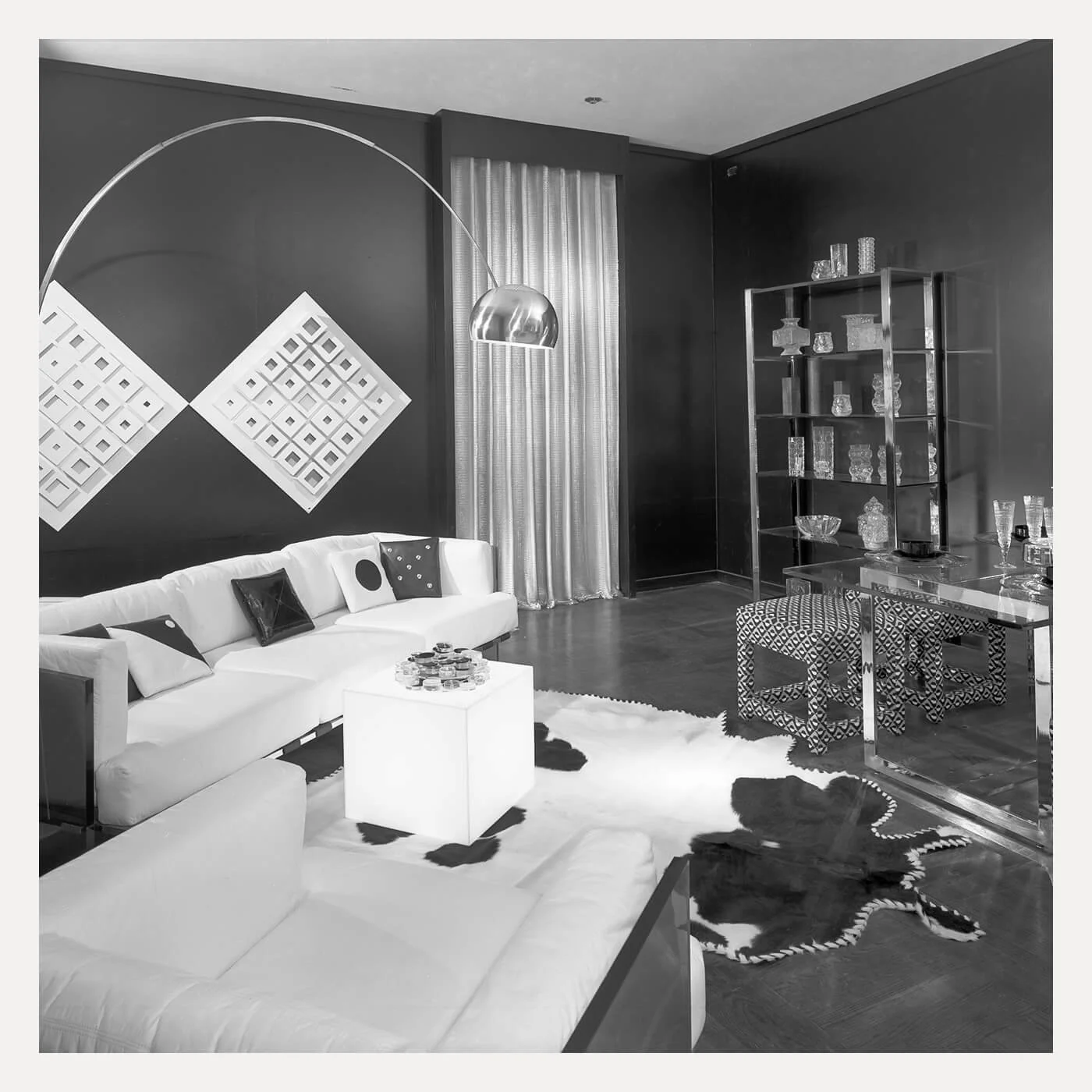
![Vintage Interior Design archive]()
Interior Design image archive
-
![Bloomingdale's Interiors archive]()
1970s Bloomingdale's archive
-
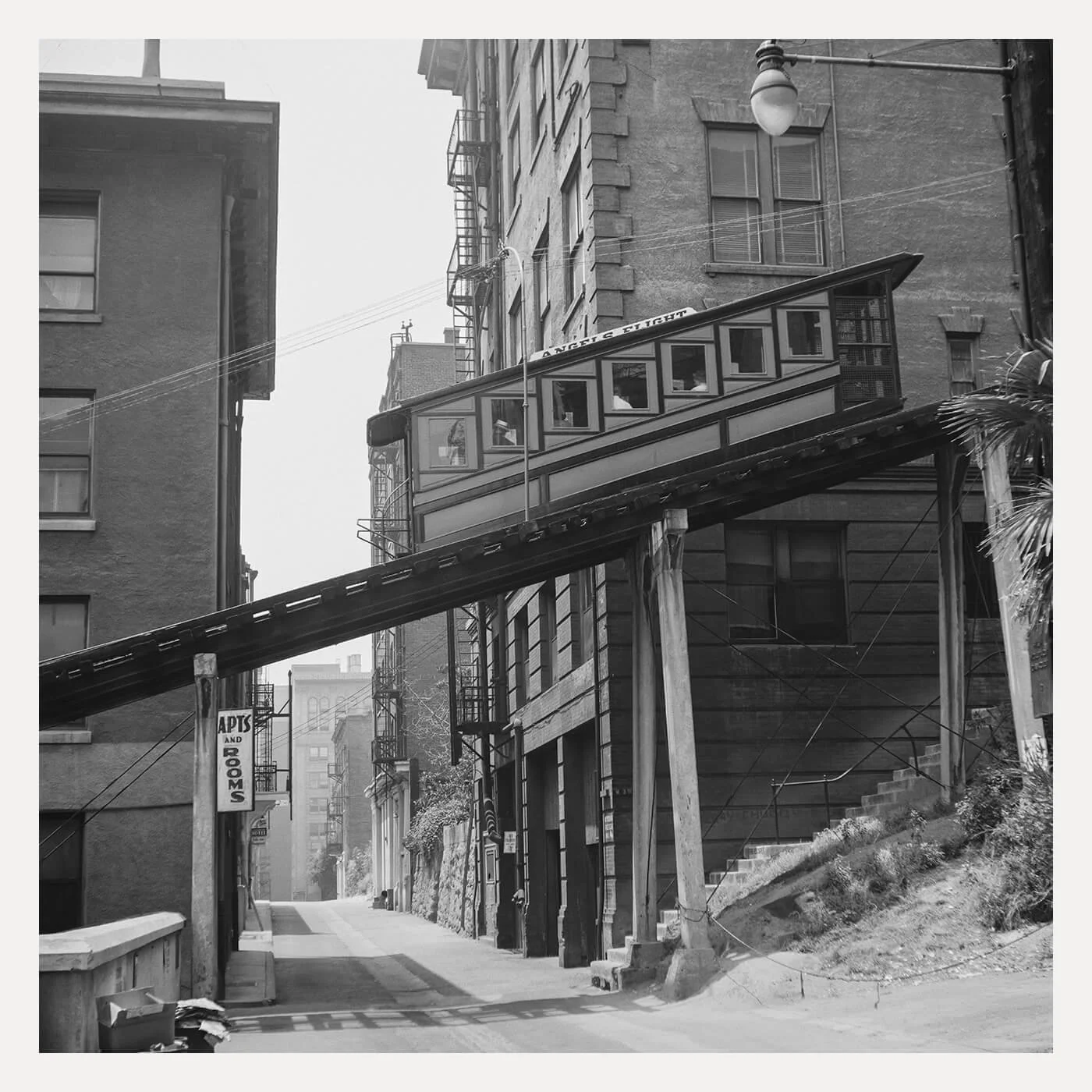
![Vintage Los Angeles Photo Archive]()
Los Angeles photos and history
-
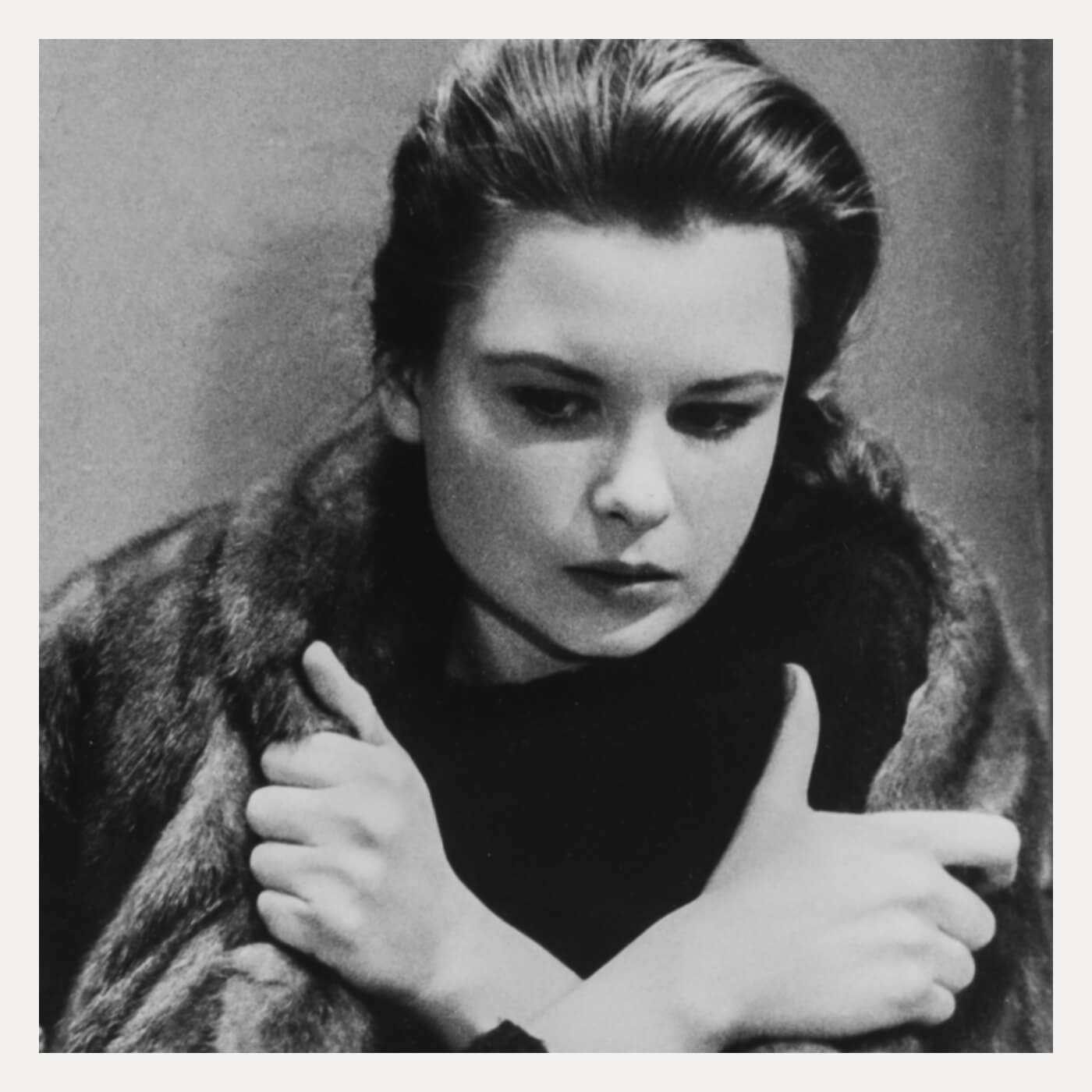
![Susan Harrison tribute]()
Tribute to actress Susan Harrison
-
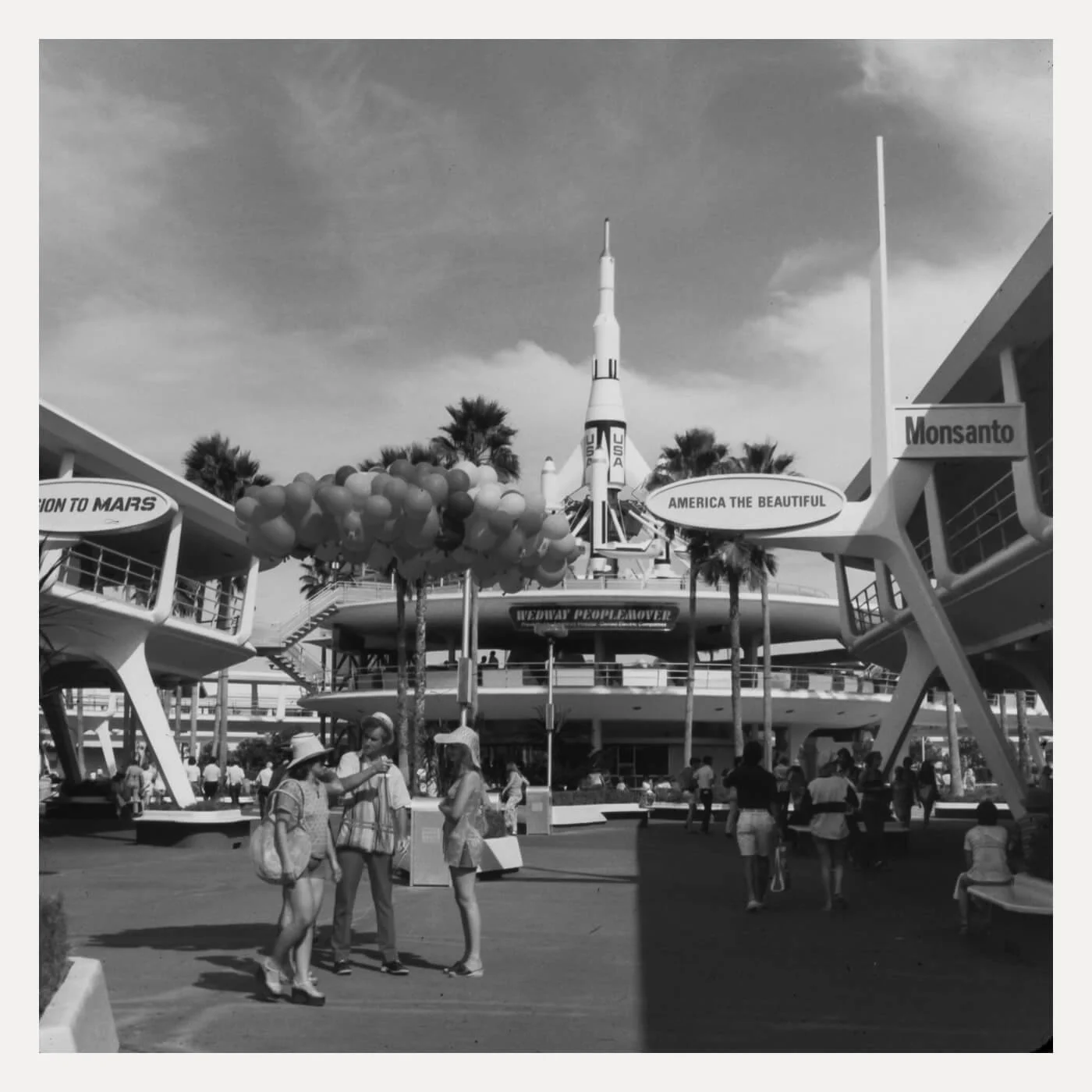
![Disney Epcot Theme Park archive]()
Disneyland rare image archive
-
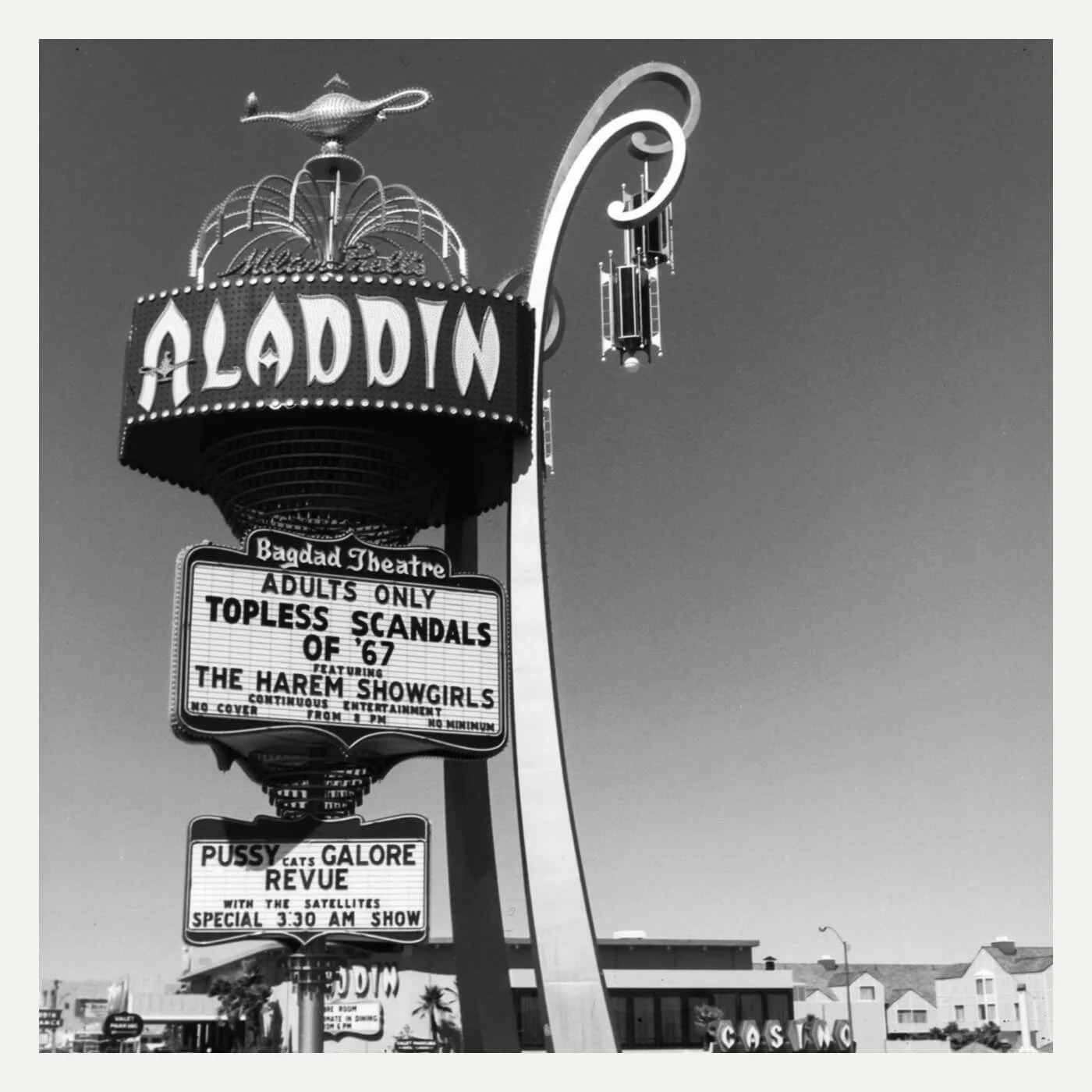
![Vintage Las Vegas archive]()
Las Vegas hotel and casino archive
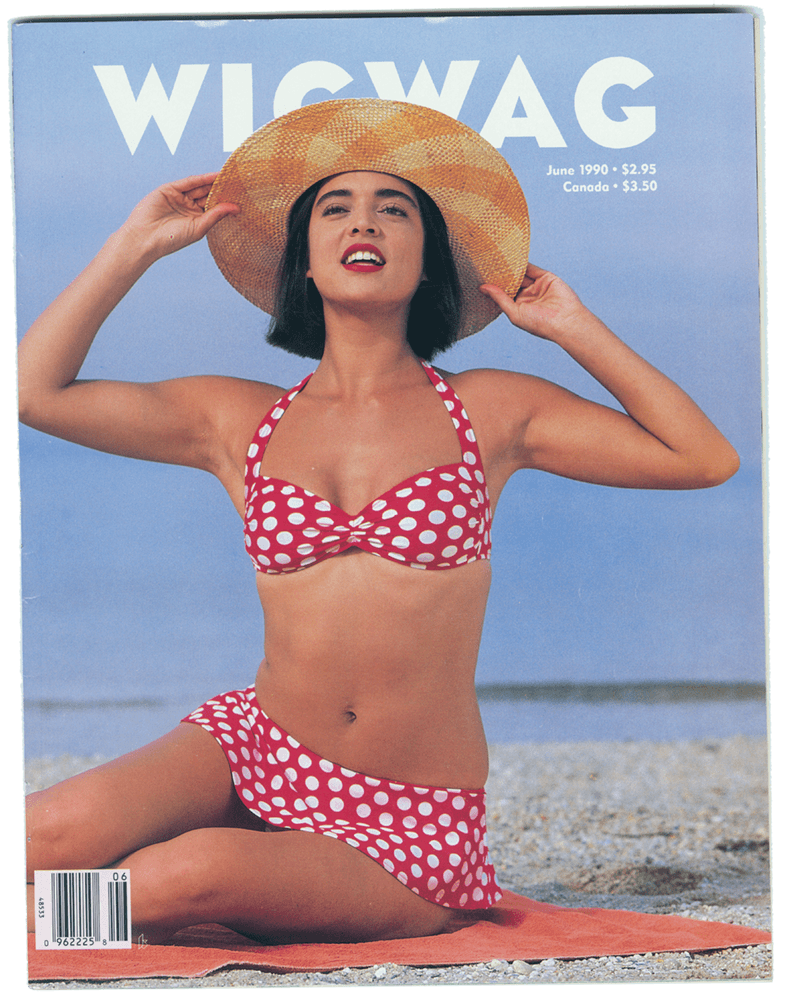
A number of magazines from the late-1980s and early-1990’s are dusted off for examination; Buzz, Egg, Movieline, L.A. Style, Exposure, and WigWag.
They left the newsstands, but not our hearts.
-

Herald-Examiner
1955 - 1964 -

Los Angeles Times Home
1939 - 1985 -

Los Angeles Times West
1966 - 1972 -

Los Angeles Magazine
1962 - 2005
-

Melody Maker
1968 - 1997 -

New Musical Express
1964 - 1997 -

New York Rocker
1977 - 1981 -

Rock and Roll Archive
1960s - 1980s
-

Los Angeles Free Press
1966 - 1976 -

Action World
1970 - 1971 -

Village Voice
1968 - 1971


From the Sunset Strip to West Hollywood, and back.
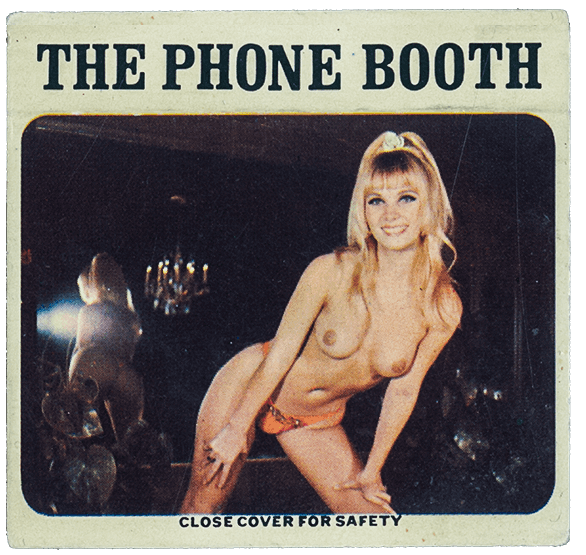
Now it can be told; the true story of The Phone Booth, LA’s most famous and aesthetically pleasing topless bar, as well as the favorite watering hole of The Lizard King himself, Jim Morrison.
See which way the wind blows, and enjoy free access to the salacious story. You don’t pay a penny.
The Phone Booth
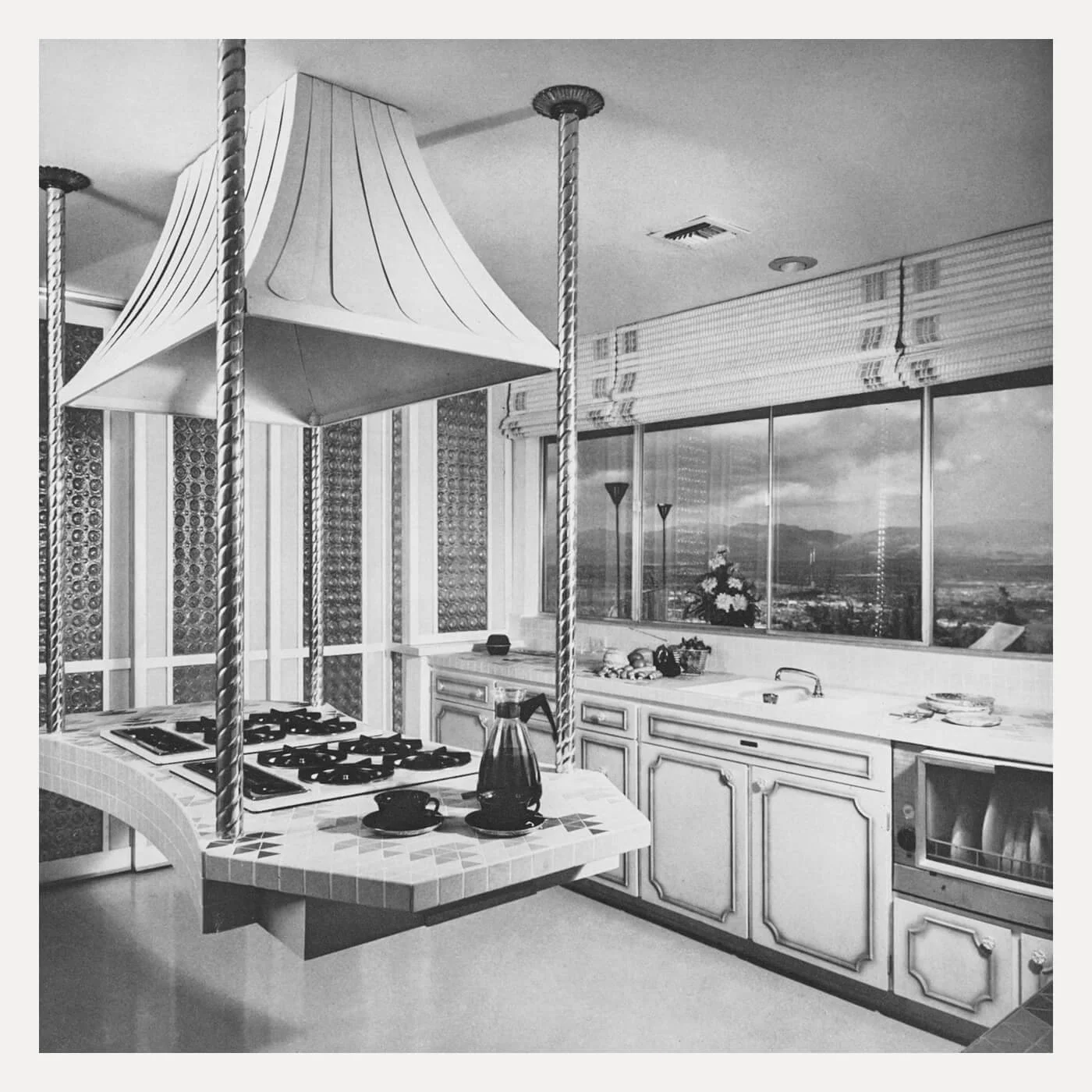
Modernism, Brutalism, or Futurism.
Whatever tickles your fancy, the collection contains material from
three leading architects — digitized from various out-of-print books.
Welton Becket | Richard Neutra | Eero Saarinen

It was said that by the late 1950s, there was no specific Los Angeles city magazine.
On the heels of two other city magazines folding (Fortnight and Script), came the Southern California Prompter — referred to by the cats as simply, “Prompter”. Founded by David Ral Brown, the city-oriented publication changed its name in 1961 to
Los Angeles Magazine.

Focus on Wonderland / Directed by Hawley Lawrence
The December 1969 issue of Los Angeles Magazine looks at "Los Angeles: Focus on Wonderland". The short promo was made for United Airlines by Filmfair Studios in Studio City.
The production house produced ads for a variety of companies including Goodyear ("Woman Stranded/No Man") and Procter & Gamble.
The United Airlines promo featured Bob Beck and Judy Rockley. Beck taught acting for a few years and worked with Merrick Pictures on Vine St.
He was reportedly going to appear in Guess What Happened to Count Dracula? (1970), though his name is not in the credits. Judy Rockley had one or two minor screen credits to her name, but was busier as a model for the Flair Agency.
She appeared in the January 1965 issue of Los Angeles Times Home magazine on their carpet and rug installation section. In addition to household appliances, Rockley modeled for automobile companies.
A 1967 sales brochure for AMC was more than impressed, "blonde from Los Angeles by the name of Judy Rockley , is far prettier than any cougar (animal or and clad in a gold - lame , mini - skirted tracksuit , will help introduce the Javelin in New York City later this month..."
Rare footage of Henry Winkler on British television.
The much-loved star of Happy Days discussed his love of British tv, and spoke about
the time he was asked to produce music for the adult movie industry.